Key Takeaways
- Most fence problems develop gradually, so regular inspections help catch leaning posts, loose gates, rot, and rust before they turn into major repairs.
- Maintenance varies by material—wood needs sealing and closer monitoring, vinyl requires periodic inspection, and chain link benefits from rust prevention and hardware tightening.
- Seasonal weather in New Hampshire and Massachusetts matters, and consistent upkeep throughout the year extends the life of your fence and protects your investment.
Most fence problems build slowly. A post rarely starts leaning all at once, and gates usually sag over time as hardware loosens or the ground shifts. In Southern New Hampshire and Northern Massachusetts, freeze-thaw cycles, moisture, and shifting soil can gradually stress posts and panels. The easiest way to avoid bigger repairs is simple: catch issues early and handle small fixes before they spread.
Why Routine Fence Maintenance Matters
Routine maintenance helps your fence last longer and keeps you from paying for repairs that could have been avoided. Wood fences can trap moisture and rot, metal parts can rust, and posts can shift as the ground freezes and thaws. You don’t need a complicated maintenance routine. A consistent inspection schedule is usually more effective than doing nothing for years and then trying to “save” a fence that is already failing.
Simple Maintenance Habits That Prevent Bigger Problems
A couple times per year, walk the fence line and look for early warning signs: slight leaning, loose boards, wobbly posts, rust spots, or latches that no longer line up cleanly. Keep leaves, mulch, and vegetation from building up at the base of the fence since trapped moisture speeds up rot and corrosion.
Pay extra attention to gates. They move constantly, carry weight, and tend to show problems first. Tightening hardware or correcting a minor sag early can prevent strain on the posts and keep the gate working properly.
Fence Maintenance Tips by Material
Different fence materials age differently. Maintenance is mostly about knowing what to look for and when to act.
Wood Fence Maintenance
Wood needs the most upkeep because moisture and sun wear it down. Cleaning and re-staining or sealing on a reasonable schedule helps slow weathering. Check the bottom of boards and shaded areas closely since rot often starts where wood stays damp. Replace damaged boards early before the problem spreads into larger sections.
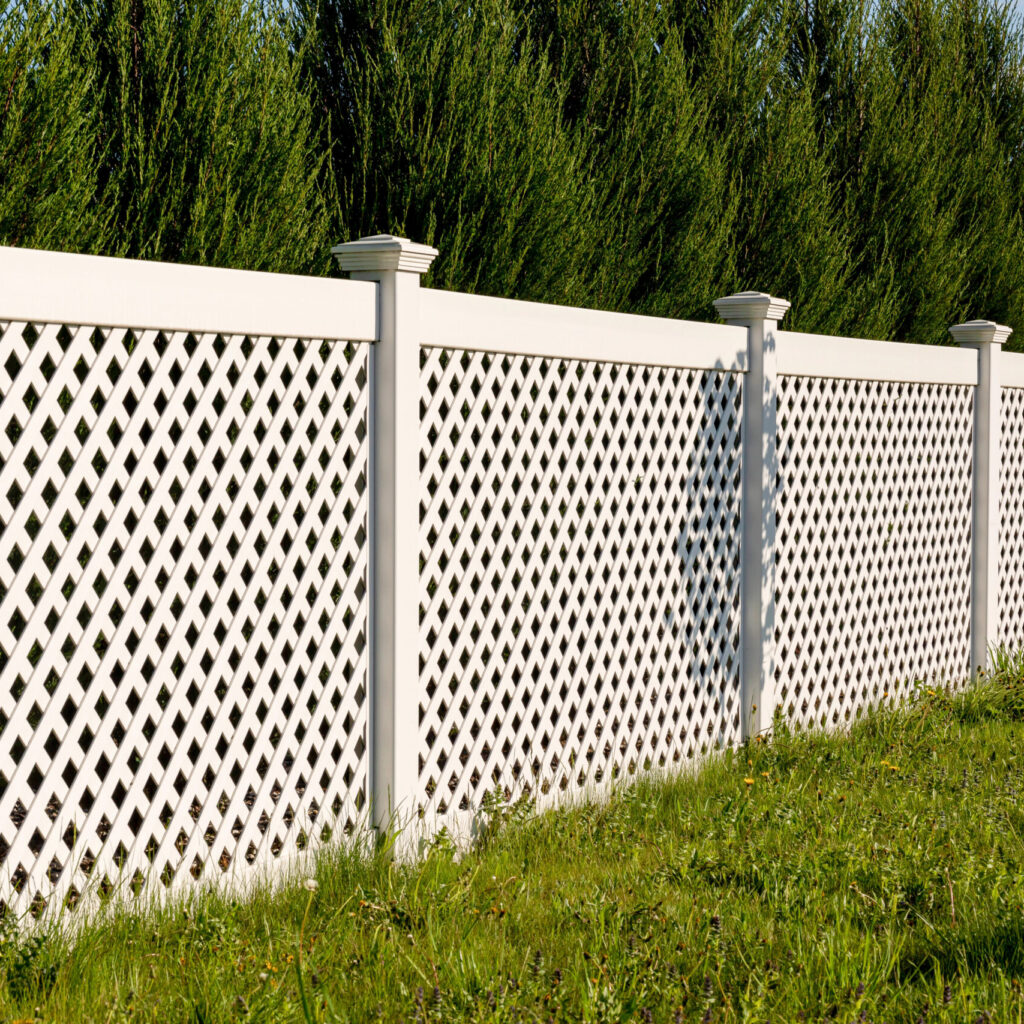
Vinyl Fence Maintenance
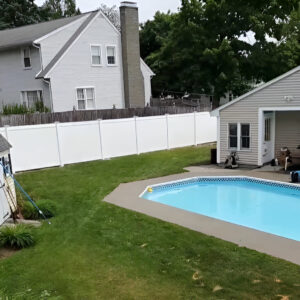
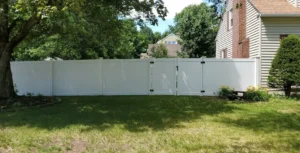
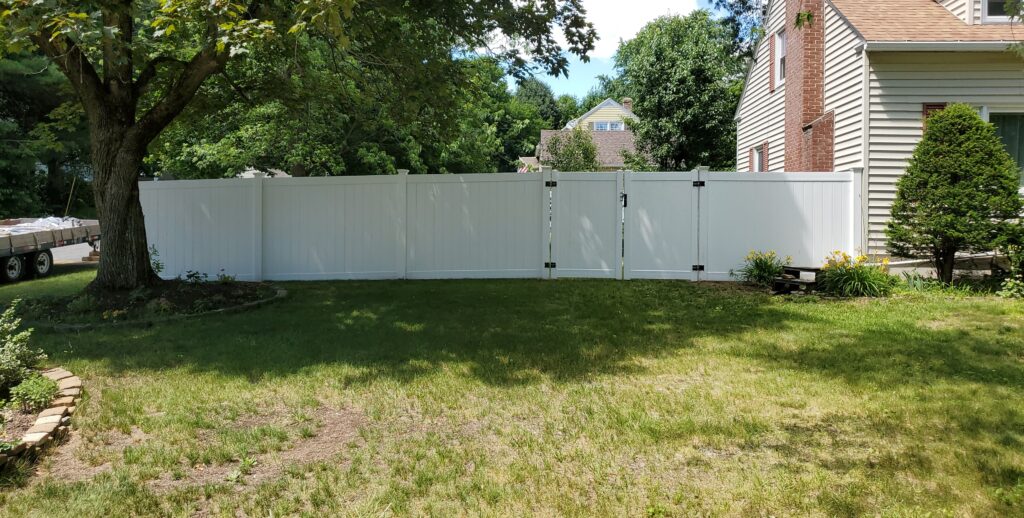
Vinyl is low maintenance, but it still needs occasional cleaning and inspection. After winter, check for cracks, shifting, or loose posts. Make sure gate hinges and latches stay aligned so the gate closes cleanly and does not pull against the posts.
Chain Link Fence Maintenance
Chain link is durable, but hardware and connection points should be checked for rust or loosening over time. Clear vines and brush away from the fence so moisture doesn’t get trapped and add weight. Treating small rust spots early helps prevent bigger corrosion issues later.
Seasonal Fence Care in New Hampshire and Massachusetts
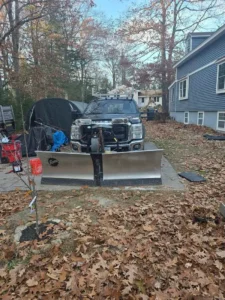
Spring is the best time to check for frost-related movement, leaning posts, or gate alignment issues. Summer is ideal for cleaning and refinishing wood fences because dry weather helps stain and sealant cure properly. Fall cleanup matters because leaves and debris hold moisture against the fence through winter. In winter, avoid letting snow and ice build up against gates or lower panels since that extra weight can stress hinges and push sections out of alignment.
When Maintenance Is No Longer Enough
If posts are noticeably leaning, gates are sagging badly, wood rot is widespread, or rust has weakened sections, maintenance alone won’t solve it. In many cases, a fence can be repaired by replacing specific posts or sections rather than starting over. A professional look helps confirm whether a repair is practical or if replacement makes more sense.
Protect Your Investment With Consistent Care
Fence maintenance is mostly basic, but it needs to be consistent. In Southern New Hampshire and Northern Massachusetts, soil movement and weather exposure are hard on fences, so routine checks and small fixes go a long way. If you’re noticing early signs like loose hardware, leaning posts, rot, or rust, it’s worth addressing now before it turns into a larger repair.