Key Takeaways
- There is no universal “best” material. The right fence depends on your priorities, whether that is privacy, budget, appearance, or low maintenance.
- Wood, vinyl, and chain link each serve different needs. Wood offers a traditional look with upkeep, vinyl provides low maintenance durability, and chain link delivers function at a lower cost.
- Your property conditions matter. Soil, slopes, local weather, and long-term plans should all factor into choosing the material that makes sense for your home.
Most homeowners are choosing between wood, vinyl, and chain link. Each one has clear strengths, and each comes with tradeoffs. The right choice depends on what you want the fence to do, what you want it to look like, how much maintenance you’re willing to deal with, and how long you expect it to last.
There’s no one-size-fits-all answer. A fence that makes perfect sense for one property in Southern New Hampshire might be a poor fit for another yard a few towns over. The goal is to match the material to your priorities and your property.
Start With Your Main Goal for the Fence
Start by getting clear on what matters most. Some homeowners want privacy above everything else. Others care more about curb appeal, durability, low maintenance, pet containment, or staying within a specific budget.
Once you identify the main goal, the options usually narrow quickly. Privacy-first decisions often lead toward solid wood or vinyl. Budget-first decisions often bring chain link into the conversation. If low maintenance is the priority, vinyl is usually the easiest long-term option.
In Southern New Hampshire and Northern Massachusetts, it also helps to think about weather and soil. Freeze-thaw cycles, moisture, and ground movement can affect posts and panels over time, so choosing a material that fits your conditions and expectations matters.
Wood Fences: Classic Look With Ongoing Maintenance
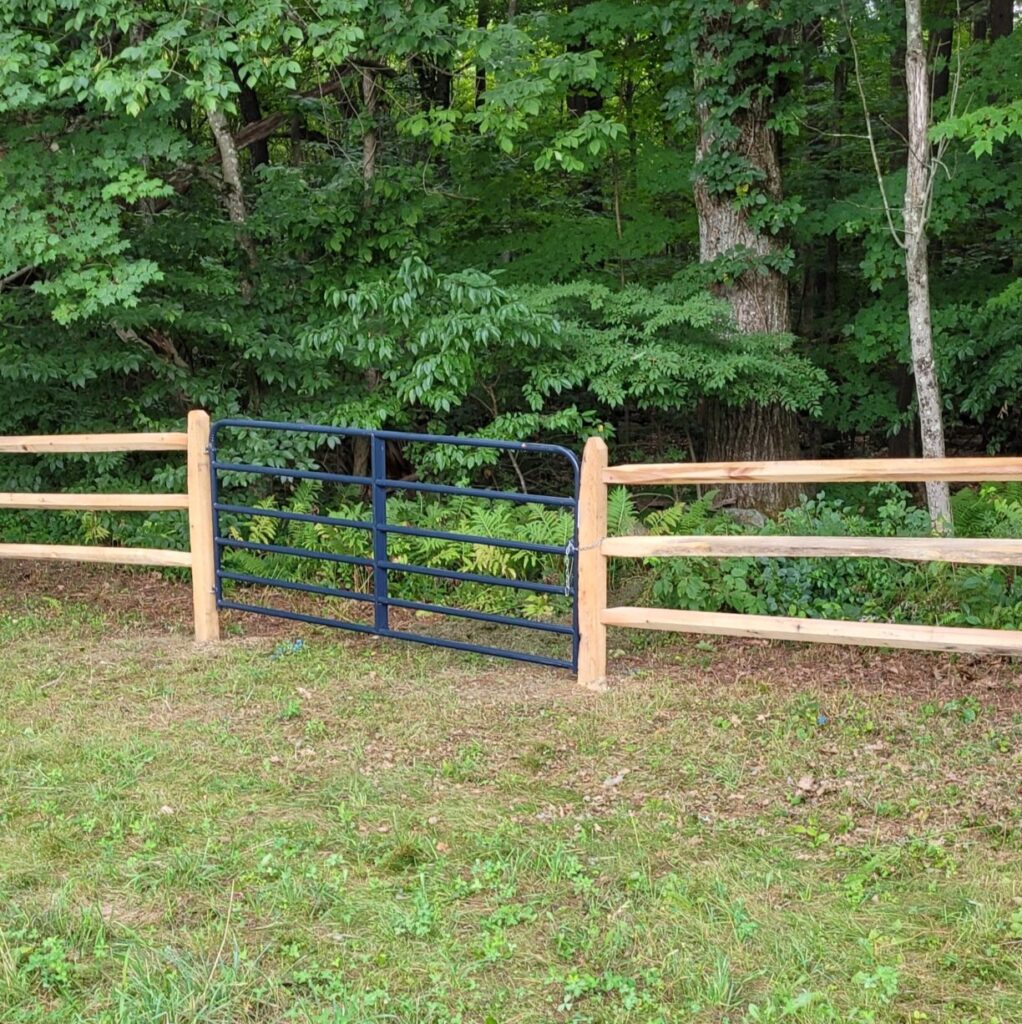
Wood is a common choice for homeowners who want strong privacy and a traditional New England look. It can be customized easily, whether that means fence height, spacing, style, or decorative details. Wood also tends to feel more “natural” on older homes and rural properties.
The tradeoff is upkeep. Wood needs periodic staining or sealing to hold up well long term. Moisture, sun exposure, and ground contact can lead to warping, splitting, or rot if the fence is ignored. Wood can last a long time, but it usually performs best when homeowners are comfortable with ongoing maintenance and occasional board replacement.
Vinyl Fences: Low Maintenance and Long-Term Durability
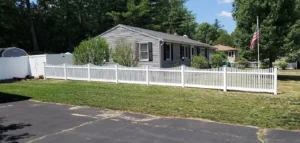
Vinyl is popular for homeowners who want privacy without frequent upkeep. It does not rot, it resists insects, and it handles moisture well. When cleaned occasionally, it stays looking consistent for years.
Vinyl often costs more upfront than wood, but it can pay off over time because it typically requires less maintenance. In colder New Hampshire winters, ground movement and extreme cold still matter, so proper installation is important to keep posts stable and sections aligned. For homeowners who want a clean look and predictable upkeep, vinyl is often the best fit.
Chain Link Fences: Practical and Budget-Friendly
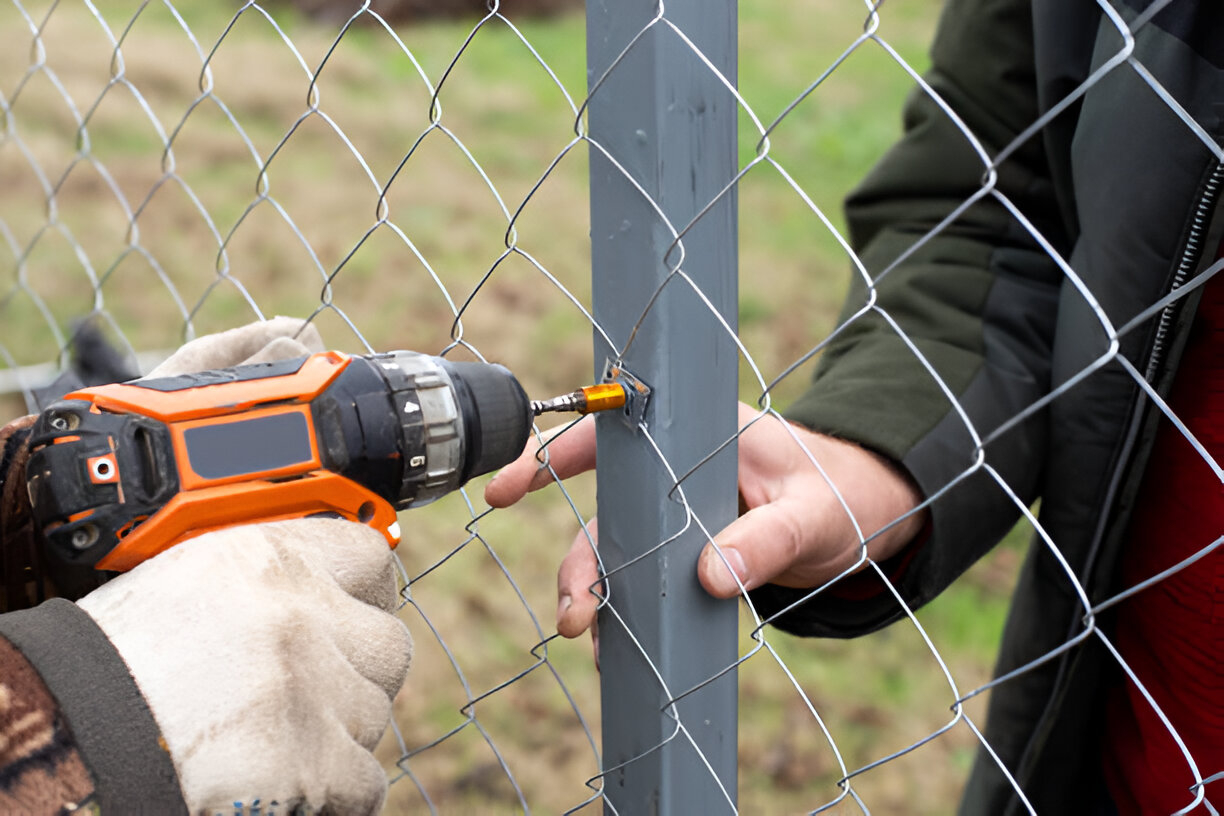
Chain link is usually chosen for function. It’s durable, cost-effective, and works well for defining property lines or containing pets. It also keeps visibility open, which some homeowners prefer for safety or sightlines.
The main drawback is privacy. Chain link does not provide visual screening unless you add slats or rely on landscaping. Maintenance is typically minimal, but it’s still smart to check for rust over time and tighten hardware when needed. Chain link holds up structurally for a long time, even if it shows cosmetic aging.
Factors That Should Influence Your Decision
Budget is more than the purchase price. Some materials cost less upfront but require more upkeep, while others cost more initially and stay easier to maintain. Privacy expectations also matter. If you want real screening from neighbors, that will usually steer you toward wood or vinyl.
Property conditions can affect what makes sense and what installs cleanly. Slopes, rocky soil, and limited access can add complexity, and HOA or town rules may limit height or style. It’s also smart to consider how long you plan to stay in the home, since short-term and long-term priorities are not always the same.
Which Fence Material Lasts the Longest?
Lifespan depends on two things more than anything else: installation quality and maintenance.
Vinyl often lasts the longest with minimal upkeep when installed properly. Wood can also last many years, but it usually needs consistent care to stay in good shape. Chain link is structurally durable and can last decades, though it may show cosmetic wear like rust over time.
Rather than looking for a “lifetime” option, it’s better to choose a material that fits your goals and the amount of maintenance you’re realistically going to do.
Choosing the Right Fence for Your Property
The right fence material comes down to your goals, budget, and how much maintenance you’re willing to handle. Wood gives you a classic look and strong privacy but needs ongoing upkeep, vinyl delivers privacy with less long-term work, and chain link is durable and cost-effective but offers minimal privacy.
Projects by Pippert installs fences across Southern New Hampshire and Northern Massachusetts, where soil conditions, property layouts, and seasonal weather can change the best choice from one yard to the next. If you want to narrow it down fast, request an estimate so you can review options based on your property and pick a material that makes sense long term.