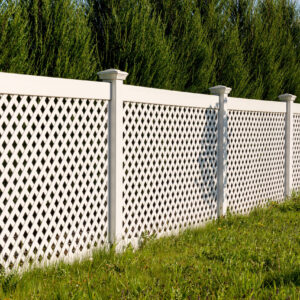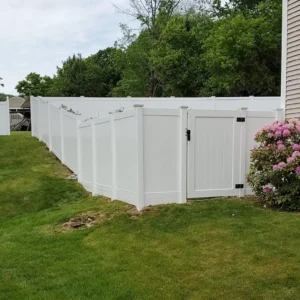
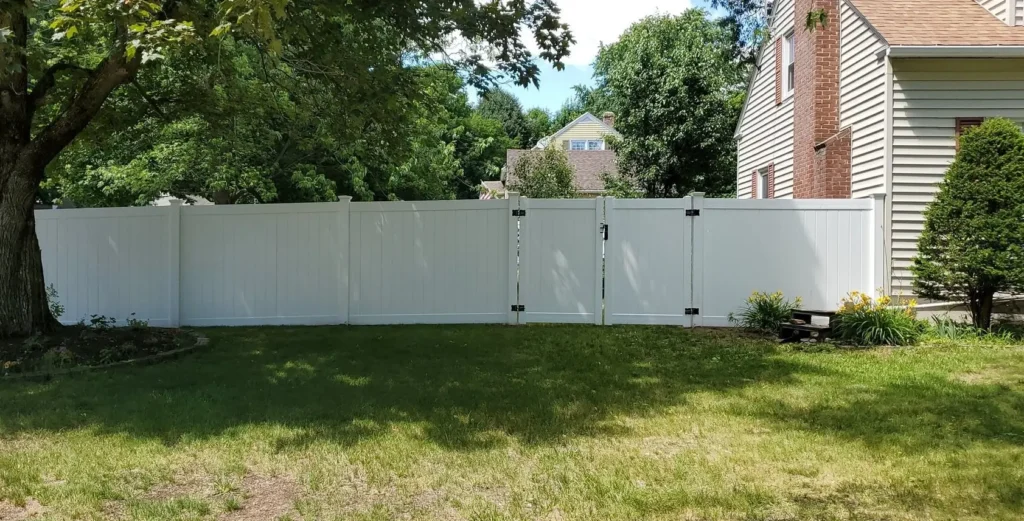
Key Takeaways
- Fence height should be based on what you need the fence to accomplish rather than choosing the tallest option automatically.
- Front yards, backyards, pools, and other areas of a property may be subject to different height requirements.
- Local zoning rules should be confirmed before the fence height and layout are finalized.
The right fence height depends largely on why you are installing it. A homeowner looking for backyard privacy may need a taller fence than someone who simply wants to define a property line. Pet containment, children, security, and the layout of neighboring properties can also influence what height makes sense.
There is another important consideration before settling on a number: what you are allowed to build. Fence height requirements can vary based on the municipality and where the fence will be located on the property. Knowing your goals and confirming local requirements early makes it much easier to choose an appropriate design.
Start With What You Want Your Fence to Do
The purpose of the fence should guide the height decision. If you want privacy from nearby homes or a busy road, you may need enough height to interrupt those sightlines. If the fence is primarily for a pet, its height should reflect the animal’s size and behavior. A decorative fence used to define the edge of a front yard may not need much height at all.
Taller is not automatically better. Extra height can change how enclosed the yard feels, affect visibility, and increase the amount of material exposed to wind. The better approach is to choose enough height to accomplish your goal without adding more fence than the property needs.
What Fence Height Works Best for Privacy?
Privacy fencing needs to be tall enough to block the sightlines that actually affect your yard. That sounds straightforward, but property elevation can make a significant difference. A fence that provides plenty of privacy between two level yards may offer much less separation when a neighboring property sits uphill.
Raised decks, patios, nearby second-story windows, and the distance between homes can also influence how private a fence feels. Before choosing the height, consider where you want privacy most and where people on surrounding properties are likely to be positioned. In some cases, thoughtful fence placement can be just as important as adding height.
Choosing Fence Height for Pets and Children
For pet containment, there is no single height that works for every animal. A small dog that stays close to the ground has very different needs from a large or athletic dog capable of jumping or climbing. The fence design matters too. Openings, horizontal features, and gaps near the ground can affect containment even when the fence itself is relatively tall.
For households with children, height is only one part of creating a defined outdoor area. Secure gates, reliable latches, appropriate spacing, and avoiding easily climbable designs can all be important considerations. The fence should be planned around how the enclosed space will actually be used rather than choosing a height in isolation.
Front Yard and Backyard Fences May Have Different Limits
Where you install the fence can affect how tall it is permitted to be. Front-yard fencing is often treated differently from fencing along side or rear property lines because visibility around roads, sidewalks, intersections, and driveways may need to be maintained.
This is why a fence height that works in the backyard may not be permitted closer to the street. Corner properties and unusual lot layouts can introduce additional considerations as well. Before finalizing the height and layout, confirm the requirements that apply to the specific part of your property where the fence will be installed.
Pool Fences Have Additional Requirements
A pool fence should not be planned using the same assumptions as a standard residential boundary or privacy fence. Pool barriers may be subject to specific requirements involving height, allowable openings, gates, latches, and other safety features.
These requirements should be confirmed before choosing the final material and design. A fence that provides enough privacy or looks appropriate around the pool does not necessarily meet every applicable barrier requirement. Planning safety and compliance first helps avoid changes after the fence design has already been selected.
How Local Rules Affect How Tall You Can Build a Fence
There is no universal maximum fence height that applies to every residential property. What you can build depends on local zoning requirements, where the fence sits on the lot, and whether additional rules apply to the property.
This is particularly important in Southern New Hampshire and Northern Massachusetts, where requirements can vary from one town or community to the next. HOA rules may add another layer of restrictions for some properties. Checking the applicable requirements before ordering materials or finalizing a design helps prevent delays and avoids planning a fence that later needs to be changed.
Choose a Fence Height That Fits Your Property
The right fence height should accomplish what you need without overlooking the layout of the property or local requirements. Privacy, pet containment, children, security, and property definition can each call for a different approach, which is why starting with the purpose of the fence is more useful than choosing a height first.
Projects by Pippert helps homeowners throughout Southern New Hampshire and Northern Massachusetts plan residential fencing around their properties and priorities. If you are considering a new fence, contact Projects by Pippert to discuss what you want it to accomplish so the height, material, and layout can be planned appropriately from the start.