Key Takeaways
- A well-designed fence may improve buyer appeal, but it does not guarantee a specific increase in resale value.
- Privacy, security, pet-friendly outdoor space, and curb appeal can make a fenced property more desirable.
- Fence condition, material, and design can matter just as much as simply having a fence.
A fence can make a home more appealing to potential buyers, but installing one does not guarantee a specific increase in resale value. Much of its value comes from making the property more functional, private, secure, and attractive while you own it.
For some buyers, a fenced yard is a major selling point, especially if they have children or pets or simply want more privacy from neighboring properties. For others, it may be a nice feature but not something they are willing to pay significantly more for. The condition, material, and design of the fence also influence whether it feels like an asset or another part of the property that will eventually need work.
How a Fence Can Make Your Property More Appealing
The value of a fence is often easier to see in how it changes the yard than in a specific appraisal number. A fenced backyard can create privacy from nearby homes, provide a defined area for children or pets, and make outdoor spaces feel more separate from neighboring properties or the street. Depending on the layout, fencing can also help establish clearer boundaries and add a sense of security.
Appearance matters too. A fence that fits the style and scale of the property can make the yard look more complete and intentional. That can be particularly valuable when buyers are comparing otherwise similar homes. A well-maintained fence is a feature they can use immediately rather than another outdoor project they need to budget for after moving in.
Does the Type of Fence Affect Its Value?
Material influences appearance, privacy, maintenance, and cost, so it can also affect how buyers perceive a fence. There is no single material that adds the most value to every property. The better choice is usually the one that suits the home and provides the function homeowners in that setting are likely to want.
Wood Fencing
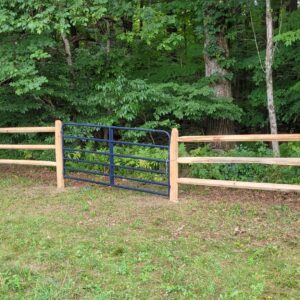
Wood fencing can provide substantial privacy and a traditional appearance that works well with many New England properties. It is also available in different heights and styles, making it easier to match the fence to the home and yard.
Condition is especially important with wood. A solid, well-maintained fence may be appealing, while visible rot, leaning sections, or peeling finishes can signal future maintenance to a buyer. Homeowners considering wood should account for periodic staining, sealing, and repairs as part of long-term ownership.
Vinyl Fencing
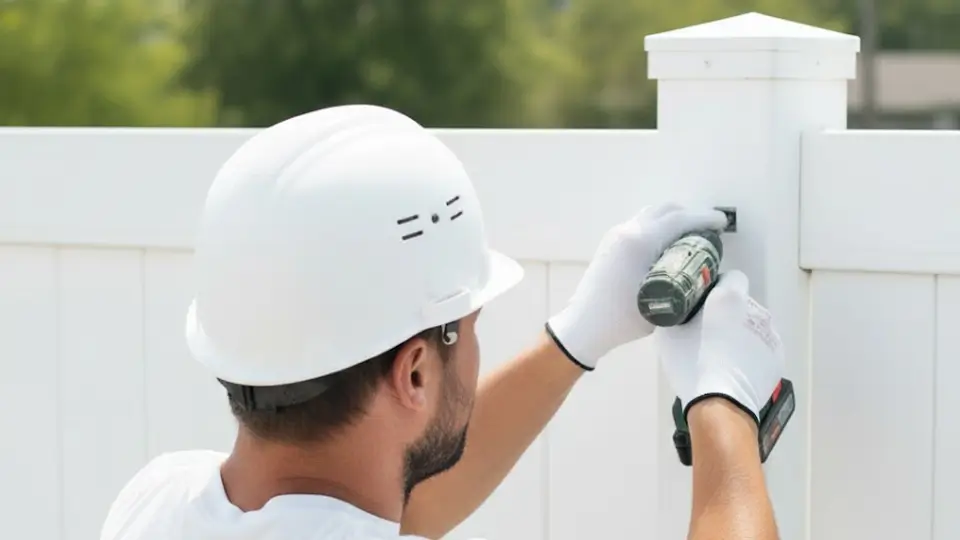
Vinyl is another popular option for creating a private yard, with the added benefit of relatively low maintenance. It does not require staining or sealing and is resistant to common issues such as rot and insect damage.
That can appeal to buyers who want the benefits of a privacy fence without taking on regular refinishing. As with any material, proper installation and good overall condition matter, particularly in New Hampshire and Massachusetts where frost and ground movement can put stress on fence posts.
Chain Link Fencing
Chain link tends to offer practical rather than decorative value. It can define a property boundary, contain pets, and create a secure enclosed yard at a lower cost than many privacy fence options.
Its biggest limitation is privacy. Standard chain link leaves the yard visible, so buyers looking for a secluded outdoor space may prefer another material. For homeowners primarily interested in pet containment, boundaries, or function, however, a well-maintained chain link fence can still be a useful property feature.
When a Fence May Not Add Much Value
Simply having a fence does not automatically make a property more desirable. A fence that is leaning, rusted, rotting, or poorly installed can have the opposite effect because buyers may see an upcoming repair or removal expense. A design that overwhelms a small yard or feels out of place with the home may also offer little benefit.
Buyer preferences vary as well. A family with a dog may actively search for homes with fenced yards, while another buyer may prefer an open property. This is one reason it is difficult to assign a reliable percentage or dollar amount to the value of a fence. Its benefit depends heavily on the property and the person buying it.
Should You Install a Fence Before Selling Your Home?
Installing a new fence solely because you expect to recover the entire cost at resale is difficult to justify. Before taking on the project, consider the installation cost, how long you expect to remain in the home, the condition of the rest of the property, and whether fenced yards are common or desirable in your neighborhood.
The decision makes more sense when you will benefit from the fence yourself. If you want more backyard privacy, need a secure area for a pet, or want to make your outdoor space more usable, you receive that benefit immediately. Any additional appeal the fence provides when you eventually sell becomes a bonus rather than the only reason for making the investment.
Choose a Fence That Adds Value to How You Use Your Home
A fence does not need to produce a guaranteed return on investment to add value to a property. The right fence can make your yard more private, secure, attractive, and useful for as long as you live there, while potentially making those same features more appealing to a future buyer.
Projects by Pippert helps homeowners throughout Southern New Hampshire and Northern Massachusetts choose fencing based on their property, practical needs, and long-term plans. If you are considering a new fence, request an estimate to discuss your priorities and compare materials and designs that make sense for how you use your property today and in the future.