Most residential fence installations take one to three days once work begins. That’s the part homeowners usually hear and remember. What often gets overlooked is that the full timeline includes planning, scheduling, permits, and utility marking. From first call to finished fence, the process can take a few weeks depending on the season and your property.
In Southern New Hampshire and Northern Massachusetts, factors like rocky soil, spring demand, and town permit requirements can all influence how quickly a project moves. The installation itself is typically efficient. The preparation around it is what shapes the calendar.
What’s the Typical Timeline From Start to Finish?
A fence project moves through three main phases: planning and scheduling, permits and utility marking, and installation. Understanding each step helps explain why a fence that takes a couple of days to build can take longer overall.
Planning, Estimate, and Scheduling
The process usually begins with a site visit. Measurements are taken, property layout is reviewed, and material options are discussed. This is when practical questions get answered: How steep is the yard? Where will the gates go? Is there clear access to the backyard? Are property lines clearly marked?
After the visit, an estimate is prepared. In most cases, homeowners receive it within a few days. Once approved, scheduling depends on crew availability and the time of year. Spring and early summer are the busiest seasons for fence installation in this region. Many homeowners wait until the ground thaws to begin planning, which means schedules fill quickly. Reaching out early in the season gives you more flexibility with install dates.
Permits and Utility Marking
Before digging begins, permits and utility marking must be addressed. Some towns in Southern New Hampshire and Northern Massachusetts require permits for fences over certain heights or in specific locations. If your property is governed by an HOA, approval may also be required.
Utility marking through Dig Safe is mandatory. Underground gas, electric, cable, and water lines must be identified before post holes are dug. This step protects your home and prevents costly damage. It typically takes several days to complete and cannot be skipped or rushed.
Installation Days
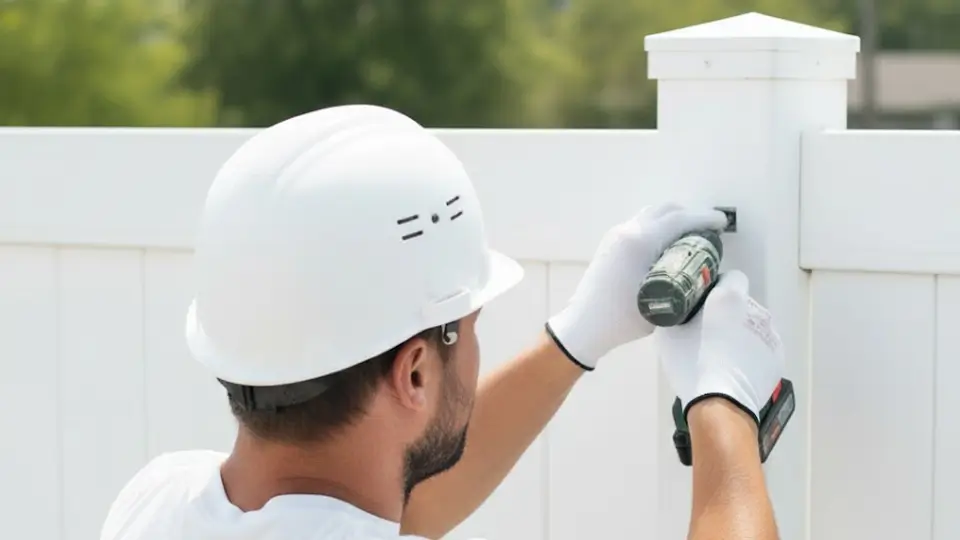
Once planning and approvals are complete, installation moves quickly. Posts are set first. Holes are dug, posts are positioned and aligned, and concrete is placed where required. Proper post placement is critical because it determines how straight and secure the finished fence will be.
After posts are set, panels, rails, or chain link fabric are installed depending on the fence type. Gates are hung and adjusted to ensure smooth operation and proper latching. Final cleanup removes debris and leaves the yard in order. For most standard residential projects, this on-site work takes between one and three days.
What Can Affect the Installation Time?
Even with a clear plan, certain conditions can extend installation time. These are not unusual problems. They are practical realities that affect how efficiently a fence can be built.
Yard Conditions and Property Layout
Rocky soil is common in New Hampshire. Some yards dig easily. Others encounter stones or ledge that require additional effort and sometimes specialized equipment. Sloped properties also take more time because fence sections must be adjusted to follow the grade. Longer fence runs naturally require more labor than shorter boundary sections.
Access plays a role as well. If materials can be brought directly into the backyard, the job moves faster. Tight side yards or limited entry points may require more manual handling of materials, which adds time.
Fence Type, Design, and Weather
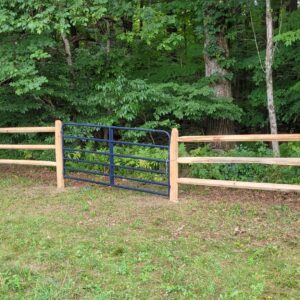
Material choice and design complexity influence installation speed. A simple chain link fence typically installs faster than a tall wood privacy fence with multiple gates or decorative features. Custom gates, transitions in height, and tight property line layouts require additional measuring and adjustments.
Weather is another factor. Frozen ground during winter can slow digging. Heavy rain can delay installation for safety reasons and soil stability. Strong winds may pause taller privacy fence installs. These conditions do not stop projects entirely, but they can shift timelines.
How Long Does Installation Take by Fence Type?
While site conditions ultimately determine the final schedule, most residential projects fall within predictable ranges:
- Wood privacy fence (150–200 linear feet): typically 2–3 days
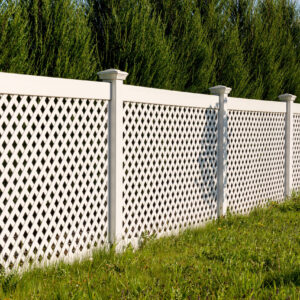
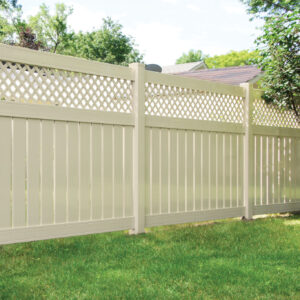
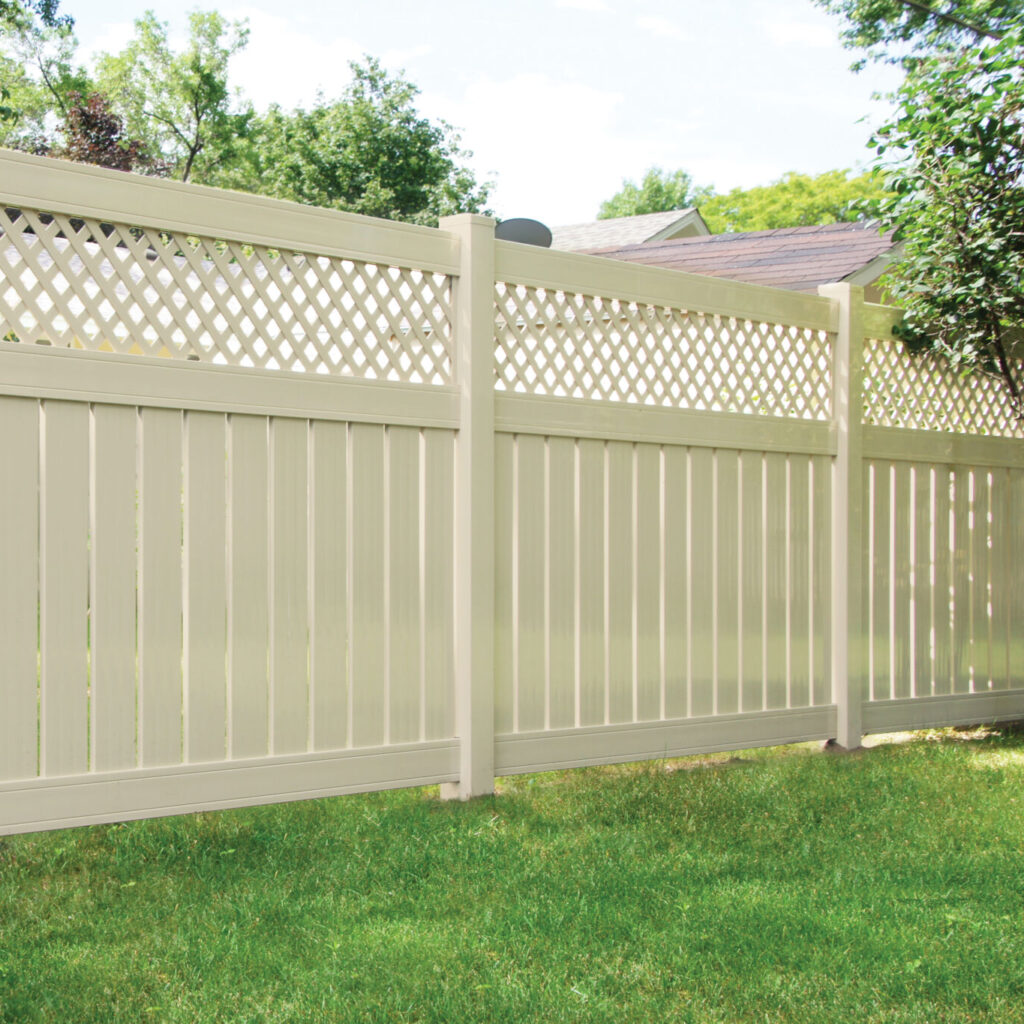
- Vinyl fence (similar size): typically 1–2 days
- Chain link fence: often 1–2 days
- Larger or more complex projects: 3–5+ days
These ranges assume standard yard conditions and reasonable access. Size, layout, and soil conditions ultimately determine the exact timeframe.
How Much Will My Yard Be Disrupted?
Fence installation is generally concentrated along the fence line. Post holes are dug at consistent intervals, and materials are staged near the work area. Small equipment is used when possible to minimize impact. In rocky soil, there may be slightly more excavation, but the disturbance is typically limited to the immediate fence path.
Professional installation includes cleanup. Debris is removed, excess soil is managed, and the yard is left in good condition. Some homeowners choose to reseed small areas along the fence line, but large-scale yard damage is not typical for a standard residential project.
How Homeowners Can Help Keep the Project on Schedule
There are several practical steps homeowners can take to avoid delays. Confirm property lines early so layout questions do not surface on installation day. Clear obstacles such as brush, stored materials, or outdoor furniture along the fence route. Trim back heavy vegetation that may interfere with post placement. Secure pets during installation days and ensure crews have clear access to the yard.
The most effective step is planning ahead. Waiting until peak spring demand to request an estimate often limits scheduling options.
Plan Ahead and Work With an Experienced Fence Contractor
Most residential fence installations take one to three days once work begins, but the full timeline depends on scheduling, permits, materials, and yard conditions. In Southern New Hampshire and Northern Massachusetts, rocky soil, seasonal weather shifts, and local permit requirements are part of everyday fence work. Experience matters because it helps anticipate these variables and plan accordingly.
If you are considering a new fence, request an estimate early—especially before peak spring and summer scheduling fills up. Planning ahead gives you more flexibility and helps ensure your project stays on track from start to finish.