Key Takeaways
- Vinyl and chain link are generally among the longest-lasting residential fence options with relatively little maintenance.
- Wood fencing can last for many years, but moisture protection and routine maintenance have a greater impact on its lifespan.
- Installation quality, drainage, soil movement, and ongoing care can matter just as much as the material you choose.
If longevity is your main priority, vinyl and chain link are typically strong options because they resist many of the problems that shorten the life of traditional wood fencing. That does not mean there is one fence material that lasts longest on every property. How the fence is installed, maintained, and exposed to weather can make a significant difference.
That is particularly important in Southern New Hampshire and Northern Massachusetts. Fences here have to deal with moisture, snow, freezing temperatures, and repeated freeze-thaw cycles. Choosing a durable material helps, but the fence also needs to be appropriate for your property and installed with those conditions in mind.
What Determines How Long a Fence Will Last?
Material is only one part of fence longevity. Posts need to remain stable, gates need to stay properly supported, and the fence needs to withstand years of changing weather. A durable material will not make up for posts that were poorly set or a fence that was not designed for the conditions around it.
Maintenance also matters, although the amount varies considerably by material. Wood needs more protection from moisture and weathering, while vinyl and chain link generally require less routine work. Catching loose hardware, shifting posts, damage, or corrosion early can also keep a small problem from affecting a larger section of fence.
How Long Do Wood Fences Last?
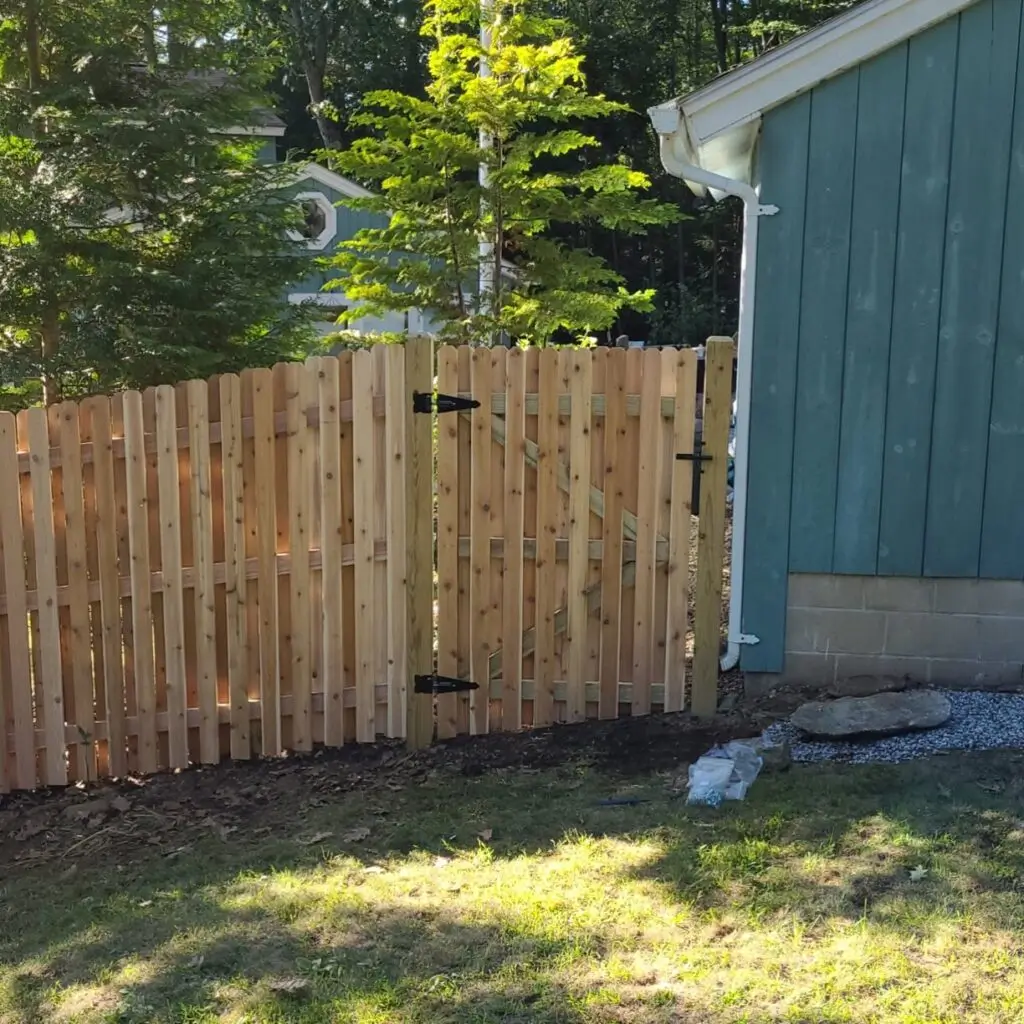
Wood can provide years of reliable service, but it requires more maintenance than vinyl or chain link. Moisture is one of its biggest concerns. Boards and posts that remain damp can eventually develop rot, while repeated sun exposure can contribute to cracking, fading, and warping.
Cleaning the fence and periodically staining or sealing it can help protect the wood. Homeowners should pay particular attention to areas near the ground and sections shaded by vegetation, where moisture may linger longer. The type and quality of wood also influence durability, so two wood fences can age very differently depending on the materials and how they are maintained.
For homeowners who prefer the natural appearance and privacy of wood, the additional maintenance may be worthwhile. The important part is understanding that its longevity depends more heavily on regular care.
How Long Do Vinyl Fences Last?
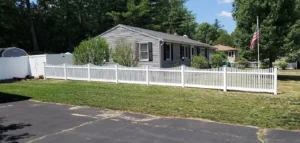
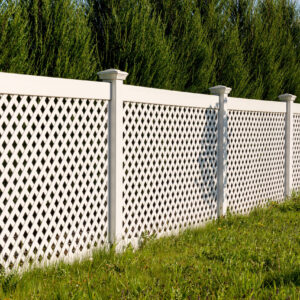
Vinyl is a popular long-term option because it does not rot, attract wood-damaging insects, or require painting and staining. Routine maintenance usually involves cleaning and occasionally checking posts, gates, and hardware for movement or damage.
New England conditions still need to be considered. Cold temperatures and shifting ground can put stress on posts and panels, particularly if the fence is not installed properly. A well-installed vinyl fence, however, can remain functional and attractive for decades with considerably less maintenance than wood.
For homeowners whose priorities include privacy, durability, and minimal upkeep, vinyl is often worth considering despite its higher initial cost.
How Long Do Chain Link Fences Last?
Chain link is another durable option, particularly when function matters more than privacy. It does not have the same moisture and rot concerns as wood and generally requires little routine maintenance.
Corrosion is the main issue to watch for over time. Protective coatings help resist rust, but damaged areas and connection points should still be inspected occasionally. Keeping vines and heavy vegetation off the fence also prevents unnecessary weight and makes it easier to spot developing problems.
Chain link may show cosmetic aging before it loses its usefulness. For pet containment, property boundaries, and other practical applications, that durability can make it a strong long-term value.
Durability Is About More Than the Fence Material
The longest-lasting material on paper is not necessarily the fence that will provide the best value for your home. A properly installed and maintained wood fence may serve a homeowner better than a poorly installed low-maintenance fence.
Property conditions matter too. Rocky soil, slopes, drainage, tree roots, and frost movement can all affect posts over time. Gates also deserve attention because their moving parts and additional weight often cause them to show wear before the rest of the fence.
This is why comparing fences solely by expected lifespan can be misleading. Longevity should be considered alongside maintenance, privacy, appearance, initial cost, and how you actually need the fence to function.
Choosing a Fence for Long-Term Value
If your priority is getting as many years as possible with minimal maintenance, vinyl and chain link are generally strong choices. Wood requires more upkeep but remains a practical long-term option for homeowners who prefer its privacy, customization, and traditional appearance.
Projects by Pippert install residential fencing throughout Southern New Hampshire and Northern Massachusetts, where soil conditions and New England weather are important parts of choosing and installing a fence. If you are comparing materials, request an estimate to discuss your property and priorities. The goal should be choosing a fence that will hold up well while providing the privacy, appearance, and function you actually want from it.