Key Takeaways
- Do not rely on an existing fence, landscaping, or assumptions to determine exactly where your property line is located.
- A professional property survey can help confirm whether the fence actually crosses the legal boundary.
- Talk with your neighbor and seek appropriate professional guidance before removing, moving, or altering a disputed fence.
If you believe a neighbor’s fence crosses onto your property, do not immediately remove it or start making changes. The first step is confirming where the legal property line actually sits. Once you have reliable information, you can discuss the situation with your neighbor and determine what needs to happen next.
Property boundary issues are not always as straightforward as they appear. A fence may have been installed years ago by a previous owner, or both neighbors may have been relying on an incorrect understanding of the boundary. Establishing the facts first can prevent unnecessary expense, conflict, and problems when you eventually install or replace fencing.
Confirm Where the Property Line Actually Is
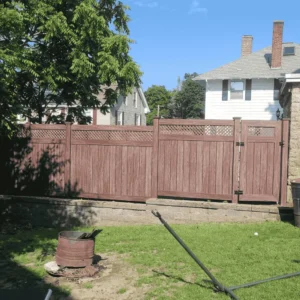
An existing fence is not necessarily proof of a property boundary. The same applies to hedges, tree lines, driveways, retaining walls, and other features that may appear to divide two properties. Even if everyone has treated a particular line as the boundary for years, that does not necessarily establish where the legal property line is located.
Property records and plans may provide useful information, but if the boundary is uncertain or disputed, a professional survey is generally the clearest way to establish it. A surveyor can identify the property boundaries based on the applicable records and physical evidence rather than relying on where a fence happens to stand.
Confirming the boundary should happen before removing, relocating, or replacing anything. It is much easier to address the issue once everyone is working from reliable information.
Talk With Your Neighbor Before Taking Action
If a survey or other reliable information indicates that the fence crosses the property line, the next step is usually a conversation with your neighbor. Share what you found and explain what you are trying to resolve rather than assuming the encroachment was intentional.
The current neighbor may not have installed the fence at all. It could have been built by a previous homeowner years earlier, with both properties changing ownership since then. Starting with a straightforward conversation gives both sides an opportunity to understand the situation and discuss possible next steps.
If you are planning another project along the same boundary, mention that as well. Explaining why the fence location needs to be addressed can make the conversation more productive than simply demanding that an existing fence be moved.
Can You Remove a Neighbor’s Fence From Your Property?
Even if you believe the fence is on your land, removing it yourself should not be your first response. Property ownership does not necessarily make every boundary or fence dispute simple.
How long the fence has been there, previous agreements between property owners, local requirements, and other circumstances may affect what options are available. These questions can become legal matters, particularly when the two property owners disagree about the boundary or who has the right to alter the fence.
If ownership, removal rights, or the survey itself is disputed, check the applicable local requirements and speak with an appropriate property or legal professional before taking action. A fence contractor can help with the physical installation or replacement of fencing, but should not be expected to resolve a legal boundary dispute between neighboring properties.
What If You Are Planning to Install a New Fence?
Resolve an uncertain property line before the new fence installation begins. Discovering a boundary problem after posts have been set can lead to delays, layout changes, additional costs, or having to redo completed work.
Knowing the boundary beforehand also makes the planning process easier. You and your fence contractor can discuss the fence location, gates, setbacks, access, and other layout considerations with a clear understanding of the property available for the project.
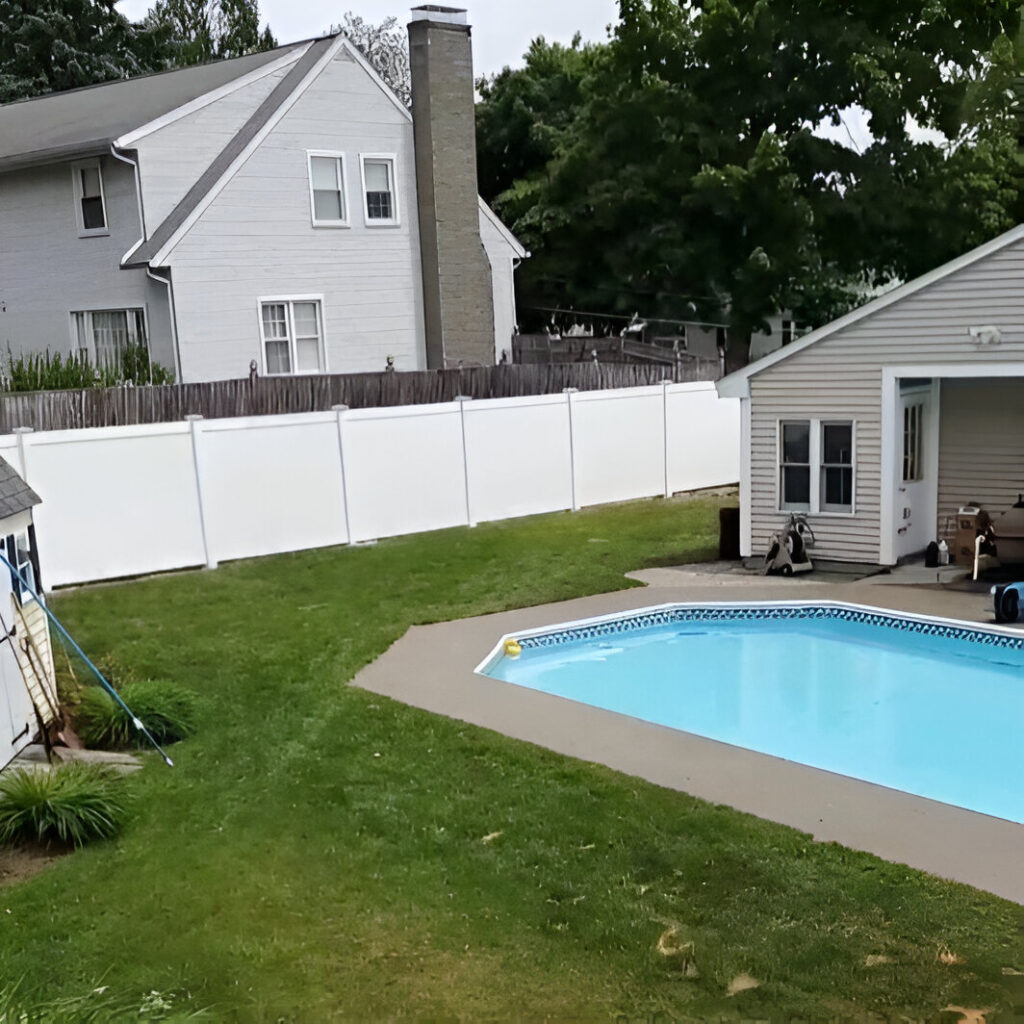
This is especially important when replacing an existing fence. It may be tempting to assume the new fence should simply follow the old one, but if the original placement was incorrect, repeating that layout can carry the same problem forward.
Avoid Property Line Problems Before Your Fence Is Installed
Whether you are dealing with an existing fence or planning a new one, establishing the property boundary first can prevent much larger problems later. Do not assume an old fence marks the legal line, and avoid removing or altering disputed fencing until you understand the boundary and your options.
Projects by Pippert helps homeowners throughout Southern New Hampshire and Northern Massachusetts plan residential fencing around their property layout and project goals. If your boundaries are established and you are ready to install or replace a fence, contact Projects by Pippert to discuss the layout and plan the new fence correctly from the beginning.