Key Takeaways
- A driveway can still be slippery after the snow itself has been removed.
- Slopes, shaded areas, packed snow, and refreezing are common reasons extra traction may be useful.
- Sanding does not remove ice, but it can help vehicles and pedestrians get better traction on slick surfaces.
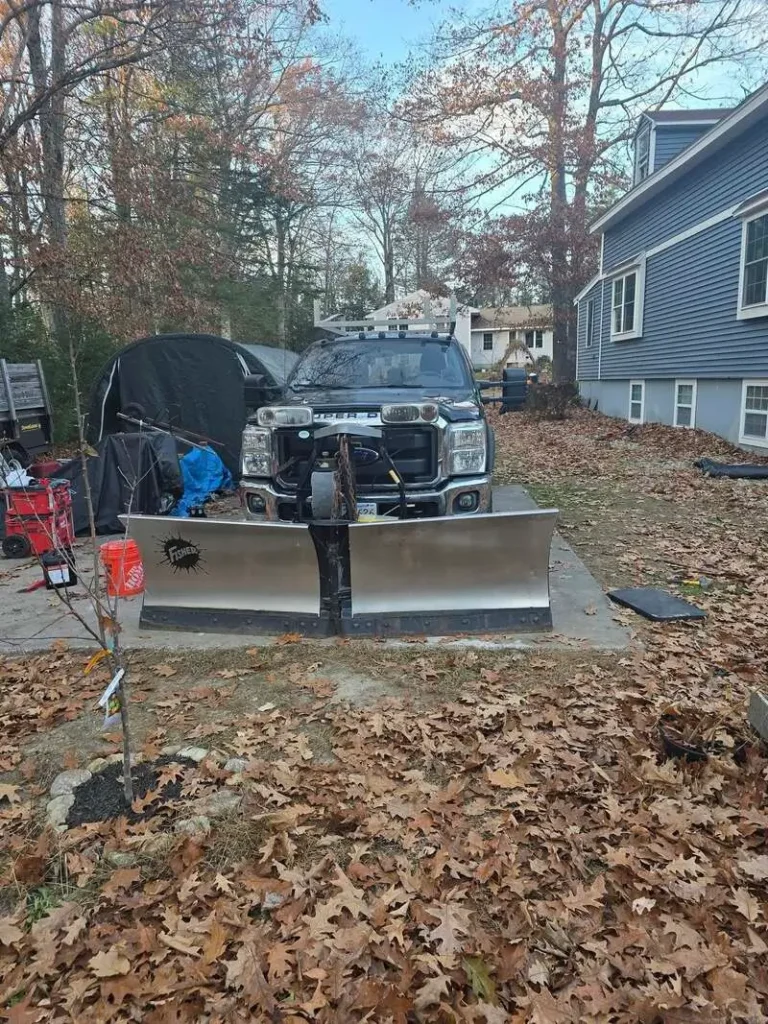
A driveway may still need sanding after plowing when packed snow, thin ice, or refreezing leaves the surface slick. Plowing removes the bulk of the snow, but it does not always leave behind bare, dry pavement.
That is where sanding can help. Sand adds grit to slippery areas so tires and shoes have more traction, which can be especially useful on steep driveways, shaded sections, walkways, and places where meltwater tends to freeze again. Projects by Pippert offers sanding after plowing for properties in Jaffrey and Rindge when conditions call for additional traction.
Why a Plowed Driveway Can Still Be Slippery
A plow clears accumulated snow, but a thin layer can remain behind, especially if vehicles have already packed the snow down before the driveway is cleared. That packed layer can become smooth and slippery as temperatures change.
Ice can also form even after the driveway looks clear. Snowbanks and surrounding areas may melt during the day, allowing water to run across the driveway. If temperatures drop later, that moisture can freeze and create slick spots that were not present immediately after plowing.
This is why a driveway can look well cleared and still be difficult to walk or drive on safely.
When Sanding Is Most Useful After Plowing
Sanding is most helpful in areas where traction is the main concern. Common trouble spots include:
- Steep sections of driveway where vehicles need extra grip
- Shaded areas that stay colder and hold ice longer
- Low spots where water collects and refreezes
- Packed snow that has become slick from vehicle traffic
- Walkways, entrances, and parking areas where people regularly walk
Not every plowed driveway needs sanding after every storm. It is most useful when conditions leave behind surfaces that are still difficult to navigate even after the snow has been cleared.
Why Sloped Driveways Often Need Extra Traction
Even a small amount of ice can become a problem on a grade. Vehicles need traction not only to climb a hill, but also to stop and turn without sliding. A surface that feels manageable on level ground can be much more difficult on a steep driveway.
That matters in Jaffrey, Rindge, and the surrounding Monadnock Region, where long and sloped residential driveways are common. On these properties, sanding can provide an extra layer of traction after plowing when packed snow or ice remains.
How Refreezing Creates Problems After the Storm
Winter conditions can change quickly after a storm ends. Sunlight or warmer daytime temperatures may melt snow along the edges of the driveway, while colder evening temperatures can cause that water to freeze again.
These conditions are especially common in shaded areas or spots where drainage crosses the driveway. A surface that was clear in the afternoon may become slick later that night or early the next morning.
Homeowners should pay attention to changing temperatures after plowing rather than assuming the driveway will stay in the same condition until the next snowfall.
What Sanding Can and Cannot Do
Sanding improves traction by putting a gritty material on top of a slippery surface. It can help tires grip and give pedestrians better footing, but it does not melt or remove the ice underneath.
That distinction matters. Sanding is useful when the goal is to make a slick surface easier to travel over, but it does not permanently eliminate the underlying winter condition. Additional plowing, melting, drainage, or future sanding may still be needed as temperatures and weather change.
Projects by Pippert uses sanding as an additional service after plowing when driveways or other areas remain slick and would benefit from more traction.
Keep Your Driveway Safer After the Snow Is Cleared
Plowing handles snow accumulation, while sanding can help when slippery conditions remain afterward. Steep grades, shaded areas, packed snow, and refreezing are some of the most common reasons homeowners may benefit from added traction.
Projects by Pippert provides snow plowing and sanding services in Jaffrey and Rindge for residential properties. If your driveway has known trouble spots, it is worth discussing them before winter service begins so sanding can be considered when conditions make it useful.