Key Takeaways
- A solid privacy fence can make some outdoor noise less noticeable, but it will not completely soundproof your yard.
- Fence height, placement, solid construction, and minimal gaps all influence how well a fence interrupts sound.
- Placing the fence between the noise source and the area you want quieter can improve the results.
A solid privacy fence can help reduce how noticeable traffic, neighbors, lawn equipment, and other outdoor sounds are. The key is having realistic expectations. A fence creates a physical barrier that interrupts sound, but it cannot prevent every sound from traveling over or around it.
How much difference you notice depends on where the noise originates and how the fence is designed. Height, placement, construction, and openings between or underneath fence sections can all affect the results. For homeowners who already want more backyard privacy, noise reduction can be another practical benefit of a well-planned fence.
How Does a Privacy Fence Reduce Outdoor Noise?
Outdoor sound travels from its source toward your property. A solid fence placed between that source and your backyard interrupts the direct path, which can make some sounds less noticeable on the other side. This is why a privacy fence generally provides more benefit than an open fence when noise is a concern.
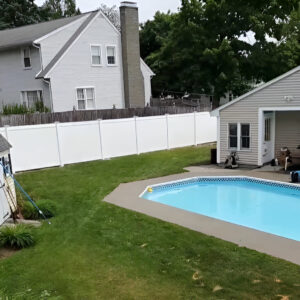
The goal is not to eliminate sound entirely. Cars will still pass, neighbors will still be audible, and louder equipment may still be heard. Instead, a fence can reduce some of the direct noise reaching areas where you spend time, such as a patio, deck, pool, or backyard seating area. The improvement depends heavily on the source and layout of the property.
What Makes a Fence Better at Blocking Noise?
Not every privacy fence performs the same way. A fence with large openings or inadequate height may provide visual privacy without doing much to interrupt sound. When noise reduction is one of the goals, height, placement, and construction deserve additional consideration.
Fence Height and Placement
A fence works best when it blocks the direct path between the noise source and the area you want to make quieter. If road traffic is the concern, for example, a fence along that side of the property may be more useful than one positioned much farther into the yard.
Height matters for the same reason. If the noise source remains clearly above the fence from where you spend time outdoors, sound can travel over the barrier more easily. Taller is not automatically better, however. Local fence height restrictions, property layout, and sightlines should all be considered before deciding on a design.
Solid Construction With Minimal Gaps
Openings give sound another path through the fence. Gaps between boards, underneath panels, or around gates can reduce the effectiveness of the barrier, particularly when those openings face the source of the noise.
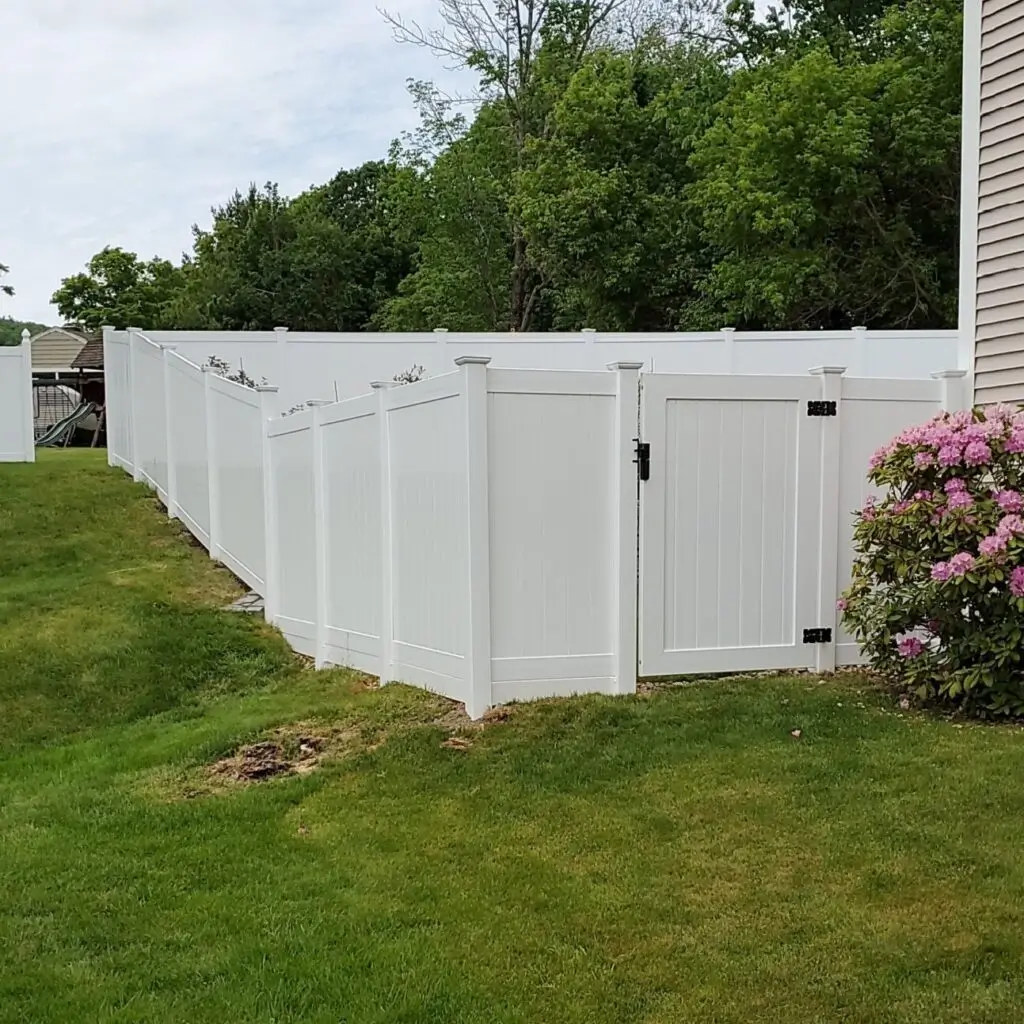
For that reason, solid privacy designs generally make more sense for noise reduction than fences with widely spaced pickets or other open sections. Careful installation also matters because even a solid material provides less benefit if large gaps remain throughout the finished fence.
Which Fence Materials Are Best for Noise Reduction?
Wood and vinyl privacy fencing are common options because both can be constructed as relatively solid barriers. Wood offers several privacy fence styles and can provide substantial coverage when boards are installed with minimal openings. Vinyl privacy panels can create a similarly continuous surface while requiring less routine maintenance.
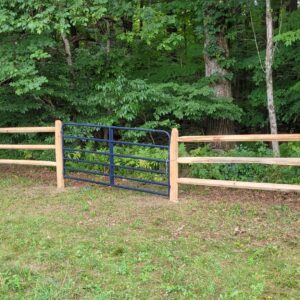
Standard chain link serves a different purpose. It works well for defining property lines and containing pets, but its open construction does little to interrupt sound on its own. Adding privacy slats may provide more visual separation, but it still does not create the same type of solid barrier as a full wood or vinyl privacy fence.
Material is only one part of the decision. A properly placed solid fence will generally be more useful for noise reduction than choosing a particular material without considering height, gaps, and the location of the sound source.
What Types of Outdoor Noise Can a Privacy Fence Help With?
Privacy fencing can be useful when the unwanted sound originates relatively close to ground level. Road traffic, conversations on neighboring properties, barking dogs, lawn equipment, and general neighborhood activity are common examples. A fence may make these sounds less noticeable, particularly when it directly separates the source from the part of the yard you use most.
Some sounds are much harder to reduce. Loud or low-frequency noise can travel around barriers, while sounds originating above the fence can continue traveling over it. A privacy fence should therefore be viewed as a way to improve the outdoor environment rather than a complete solution for every type of neighborhood noise.
Can Landscaping Help a Privacy Fence Reduce Noise?
Landscaping can complement a privacy fence, particularly when the goal is to make the backyard feel more separated from nearby roads or properties. Shrubs, trees, and other dense plantings add visual separation and can make the transition between the fence and yard feel less stark.
It is important not to expect plants to soundproof the property. Landscaping is generally more useful for creating a sense of separation and softening the outdoor environment than substantially blocking noise. Combined with a solid fence, however, it can create a backyard that feels more private and comfortable.
Create a More Private and Comfortable Backyard
A privacy fence cannot make a backyard silent, but the right design can make certain outdoor sounds less noticeable while also providing privacy, security, and a more defined space. The best results come from considering where the noise originates, where you spend time outside, and how the fence can be positioned between the two.
Projects by Pippert helps homeowners throughout Southern New Hampshire and Northern Massachusetts choose fencing based on their property layout and what they want to accomplish. If outdoor noise and privacy are concerns, request an estimate and discuss where the noise is coming from and how you use your yard. That information can help determine a fence material, height, and layout that makes sense for your property.